
Printed before or after forming: what to ask about a custom pouch
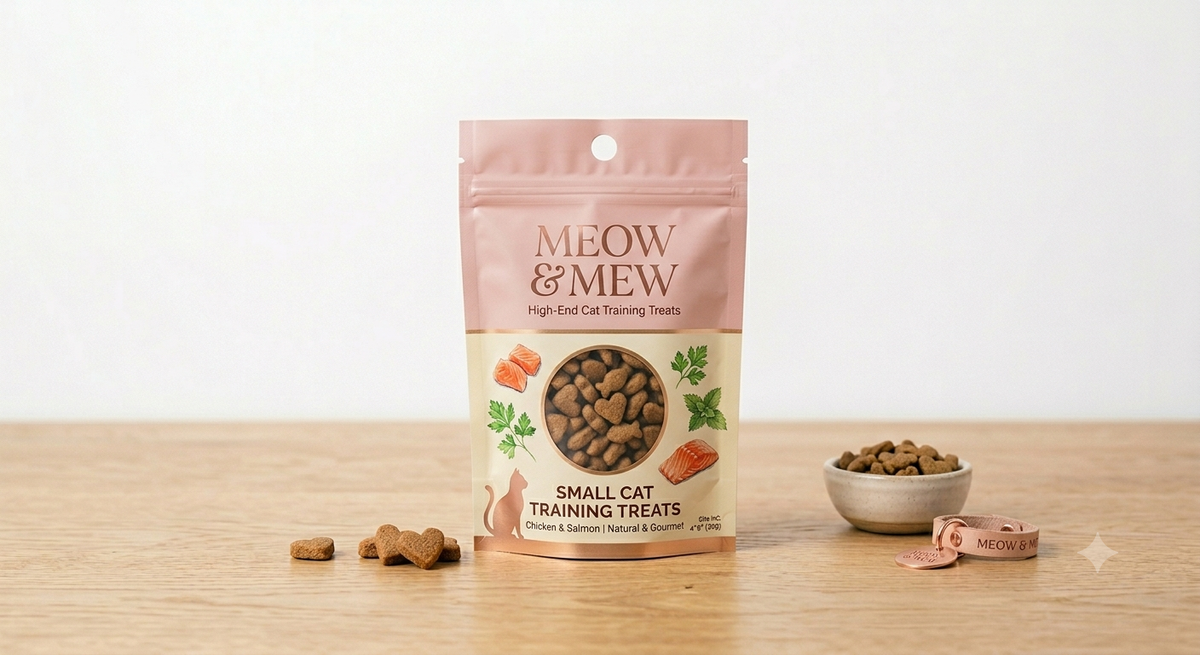
When you compare custom-pouch quotes, ask when the printing happens. Some workflows print film before it becomes a pouch; others apply print to an already formed pouch. The sequence can affect coverage and production choices. Compare the actual package, not just the process name.
Start with the actual sequence
In a print-before-forming workflow, artwork is printed on film that will later be converted into the pouch. In a print-after-forming workflow, the package already exists when the print is applied. Ask the supplier to describe its exact process and show a representative finished sample.
The Packaging Lab, PakMagik’s current pouch and rollstock fulfiller, states in its FAQ that it prints on a flat web of film that is folded into pouches later. For the configuration you intend to order, review the matching dieline and instructions.
Compare the printable panels
Ask which parts of the finished package can carry artwork. Check front and back panels, the bottom gusset if present, seal areas and any restrictions near folds or closures. Don’t assume every preformed-pouch workflow leaves the gusset blank, or that every film-printing workflow permits artwork everywhere.
A useful test is to place your real design on the proposed layout. Can the product name remain clear when filled? Is the code away from a fold? Does the artwork intentionally continue onto the gusset, or does it stop at a sensible boundary?
Look at the structure separately from the printing
Request the exact film construction, thickness and relevant technical information. Ask where the print sits in the structure and whether a layer protects it. Then inspect a representative sample for the handling conditions your project will encounter.
Printing after forming does not automatically mean poor color, an unprotected print or a less durable package. Printing before forming does not automatically establish a stronger barrier or better shelf life. Those conclusions require information about the particular materials, print system and finished package.
Compare the artwork you actually need to reproduce
Review small text, codes, fine lines, large solid colors and any transparent or metallic areas. Use the same design or a representative test file when practical. A photograph of an unrelated brand’s pouch can look convincing without answering whether your detailed back-panel copy is readable.
If color is critical, discuss the review process before production. A screen preview is not a measurement of the final print on a particular film and finish.
Make the quote comparison fair
| Ask for | Why it matters |
|---|---|
| The same size and production quantity | Different fill formats or order sizes obscure the comparison. |
| The exact film and finish | Appearance labels alone do not describe the construction. |
| The required zipper, window and display features | An omitted feature can make a quote appear cheaper. |
| Artwork-version, setup and change charges | The order total can differ even at the same unit price. |
| Shipping, tax and an agreed timing basis | A packaging price is not necessarily the delivered cost. |
Choose around the job the package needs to do
A limited edition, a routine restock and a technical product launch can have different priorities. Write down the must-haves, inspect relevant samples and compare complete quotes. Choose the documented setup that meets your product, design and quantity requirements.
Explore PakMagik’s current pouch options, or tell us about a requirement that needs review before configuration.

